
- Afghanistan
- Åland Islands
- Albania
- Algeria
- American Samoa
- Andorra
- Angola
- Anguilla
- Antarctica
- Antigua and Barbuda
- Argentina
- Armenia
- Aruba
- Australia
- Austria
- Azerbaijan
- Bahamas
- Bahrain
- Bangladesh
- Barbados
- Belarus
- Belgium
- Belize
- Benin
- Bermuda
- Bhutan
- Bolivia
- Bonaire, Sint Eustatius, and Saba
- Bosnia and Herzegovina
- Botswana
- Bouvet Island
- Brazil
- British Indian Ocean Territory
- British Virgin Islands
- Brunei
- Bulgaria
- Burkina Faso
- Burundi
- Cambodia
- Cameroon
- Canada
- Cape Verde
- Cayman Islands
- Central African Republic
- Chad
- Chile
- China
- Christmas Island
- Cocos [Keeling] Islands
- Colombia
- Comoros
- Cook Islands
- Costa Rica
- Croatia
- Cuba
- Curaçao
- Cyprus
- Czech Republic
- Congo - Kinshasa
- Denmark
- Djibouti
- Dominica
- Dominican Republic
- Timor-Leste
- Ecuador
- Egypt
- El Salvador
- Equatorial Guinea
- Eritrea
- Estonia
- Ethiopia
- Falkland Islands
- Faroe Islands
- Fiji
- Finland
- France
- French Guiana
- French Polynesia
- French Southern Territories
- Gabon
- Gambia
- Georgia
- Germany
- Ghana
- Gibraltar
- Greece
- Greenland
- Grenada
- Guadeloupe
- Guam
- Guatemala
- Guernsey
- Guinea
- Guinea-Bissau
- Guyana
- Haiti
- Heard Island and McDonald Islands
- Honduras
- Hong Kong SAR China
- Hungary
- Iceland
- India
- Indonesia
- Iran
- Iraq
- Ireland
- Isle of Man
- Israel
- Italy
- Côte d’Ivoire
- Jamaica
- Japan
- Jersey
- Jordan
- Kazakhstan
- Kenya
- Kiribati
- Kosovo
- Kuwait
- Kyrgyzstan
- Laos
- Latvia
- Lebanon
- Lesotho
- Liberia
- Libya
- Liechtenstein
- Lithuania
- Luxembourg
- Macau SAR China
- Macedonia
- Madagascar
- Malawi
- Malaysia
- Maldives
- Mali
- Malta
- Marshall Islands
- Martinique
- Mauritania
- Mauritius
- Mayotte
- Mexico
- Micronesia
- Moldova
- Monaco
- Mongolia
- Montenegro
- Montserrat
- Morocco
- Mozambique
- Myanmar [Burma]
- Namibia
- Nauru
- Nepal
- Netherlands
- Netherlands Antilles
- New Caledonia
- New Zealand
- Nicaragua
- Niger
- Nigeria
- Niue
- Norfolk Island
- North Korea
- Northern Mariana Islands
- Norway
- Oman
- Pakistan
- Palau
- Palestinian Territories
- Panama
- Papua New Guinea
- Paraguay
- Peru
- Philippines
- Pitcairn Islands
- Poland
- Portugal
- Puerto Rico
- Qatar
- Congo - Brazzaville
- Réunion
- Romania
- Russia
- Rwanda
- Saint Barthélemy
- Saint Helena
- Saint Kitts and Nevis
- Saint Lucia
- Saint Martin
- Saint Pierre and Miquelon
- Saint Vincent and the Grenadines
- Samoa
- San Marino
- São Tomé and Príncipe
- Saudi Arabia
- Senegal
- Serbia
- Serbia and Montenegro
- Seychelles
- Sierra Leone
- Singapore
- Sint Maarten
- Slovakia
- Slovenia
- Solomon Islands
- Somalia
- South Africa
- South Georgia and the South Sandwich Islands
- South Korea
- South Sudan
- Spain
- Sri Lanka
- Sudan
- Suriname
- Svalbard and Jan Mayen
- Swaziland
- Sweden
- Switzerland
- Syria
- Taiwan
- Tajikistan
- Tanzania
- Thailand
- Togo
- Tokelau
- Tonga
- Trinidad and Tobago
- Tunisia
- Turkey
- Turkmenistan
- Turks and Caicos Islands
- Tuvalu
- U.S. Virgin Islands
- Uganda
- Ukraine
- United Arab Emirates
- United Kingdom
- United States
- U.S. Minor Outlying Islands
- Uruguay
- Uzbekistan
- Vanuatu
- Vatican City
- Venezuela
- Vietnam
- Wallis and Futuna
- Western Sahara
- Yemen
- Zambia
- Zimbabwe
João Davi Lucas.

João Davi Lucas.
- ,
- Health & Hospital
- Member Since: 08 Aug 2025
Mother in Law Suite Ideas That Boost Home Value and Comfort Fast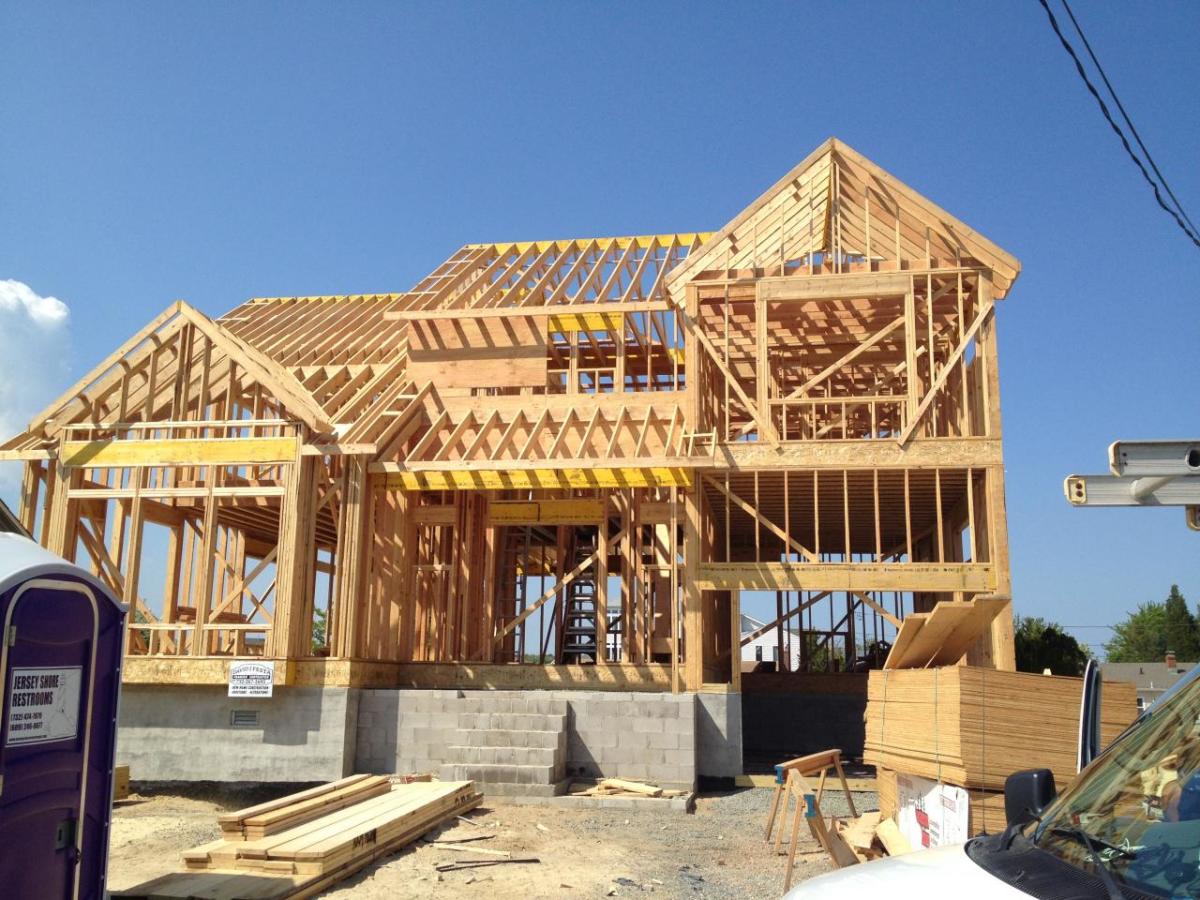
Ensuring Regulatory Compliance and Minimizing Legal Risks
Building codes, zoning ordinances, environmental rules, and accessibility standards present complicated layers of compliance that fluctuate by jurisdiction. Architectural consultants possess intimate data of these frameworks, guaranteeing that design proposals align perfectly with code requirements. This vigilance reduces the chance of permit denials, authorized penalties, or compelled modifications that would delay occupancy or cause monetary loss.
An efficient mother in regulation suite requires a separate yet built-in flooring plan. The suite ought to have a devoted entrance that provides clear separation from the principle dwelling to take care of autonomy for occupants. Interior layout should embody a bedroom, living space, full rest room, and kitchen or kitchenette. Open-plan or partitioned designs should give attention to maximizing pure light and ease of motion. Acoustic privateness is essential; using noise-insulating materials and considerate wall placement enhances comfort for both occupants and hosts.
An underperforming septic system poses serious environmental risks, such as nitrate contamination of wells, eutrophication of nearby water our bodies, and the unfold of bacteria and viruses. These hazards underscore the insurance coverage worth of system upgrades, each for occupant safety and regulatory compliance.
Specialized Approaches for Varied Architectural Consultation Scenarios
Architectural consultation adapts substantively depending on project typology, scale, and client aims. Recognizing these distinctions tailors expectations and ensures targeted problem-solving methods across different sectors.
Commitment to Sustainability and Innovation
An informed marketing consultant embraces evolving sustainable design principles and pushes innovation in supplies and applied sciences to future-proof buildings. Staying abreast of green building certifications and renewable energy integration brings long-term operational savings and market differentiation.
Engaging architectural session early within the project lifecycle equips stakeholders with the information and strategic foresight necessary to transform visions into profitable, lasting constructed environments aligned with private, industrial, and group aspirations.
Institutional and Healthcare Facility Consultation
Highly specialised institutional initiatives demand consultation expertise that ensures rigid adherence to sector-specific building codes and operational protocols, such as patient security and infection control in healthcare. Consultants address complex zoning, life-safety egress, and specialised mechanical methods (like HVAC for sterilization) while facilitating versatile spaces that can adapt to evolving wants. This reduces operational disruptions and costly retrofits.
Small renovations typically incorporate upgrades to insulation, heating, air flow, or fixtures, which translate into energy financial savings and decreased utility bills. Replacing old home windows with double-glazed alternate options, including LED lighting, or bettering water-saving fixtures all contribute to a home's operational effectivity.
Residential Projects: From Custom Homes to Multifamily Complexes
Residential architectural consultation emphasizes personal lifestyle integration, safety, and neighborhood compatibility. For customized homes, consultants focus on site-specific design responsiveness, space effectivity, and compliance with residential codes such as fireplace separation and egress requirements. In multifamily projects, further layers similar to accessibility requirements (ADA compliance), communal space planning, and energy modeling turn into critical. Consultants assist scale back construction surprises, optimize occupant consolation, and improve resale value.
Common Risk Factors and How Lenders Mitigate Them
Key risks in building lending include incomplete documentation, contractor insolvency, unforeseen site circumstances, and market volatility affecting property values. Lenders deploy stringent underwriting, requirement of licensed basic contractors, common inspections, and conditional funding to mitigate these dangers. Borrowers conscious of those danger drivers can implement parallel measures, such as complete insurance coverage coverage, bonding, and proactive communication, to protect financial viability during development.
Designated safe rooms constructed to FEMA requirements provide secure refuge throughout high-intensity events. These areas incorporate reinforced concrete walls, specially anchored ceilings, impartial air flow, and emergency communication techniques. Incorporating secure rooms enhances occupant survival odds, making them invaluable for families in twister and hurricane zones. Where feasible, Marcenaria em guarulhos integrating storm shelters into basement or garage areas optimizes area without imposing on every day living areas.
Elevating living areas above base flood elevation reduces flood harm. Features corresponding to pier and beam foundations, raised slabs, and impermeable exterior cladding guard towards extended water exposure. Additionally, putting in flood vents promotes equalizing hydrostatic stress, minimizing basis harm dangers. Combining elevation with flood-resistant supplies and flood-proofed mechanical techniques ensures a holistic flood mitigation strategy.
Details
| Phone | 50680236 |
| Email Address | joodavilucas_freitas36@folhadenoticias.top |
| Gender | - |
| Salary | 14 - 55 |
| Address | 5485 |
List your Job requirements and Search thousands of job all in one place