
- Afghanistan
- Åland Islands
- Albania
- Algeria
- American Samoa
- Andorra
- Angola
- Anguilla
- Antarctica
- Antigua and Barbuda
- Argentina
- Armenia
- Aruba
- Australia
- Austria
- Azerbaijan
- Bahamas
- Bahrain
- Bangladesh
- Barbados
- Belarus
- Belgium
- Belize
- Benin
- Bermuda
- Bhutan
- Bolivia
- Bonaire, Sint Eustatius, and Saba
- Bosnia and Herzegovina
- Botswana
- Bouvet Island
- Brazil
- British Indian Ocean Territory
- British Virgin Islands
- Brunei
- Bulgaria
- Burkina Faso
- Burundi
- Cambodia
- Cameroon
- Canada
- Cape Verde
- Cayman Islands
- Central African Republic
- Chad
- Chile
- China
- Christmas Island
- Cocos [Keeling] Islands
- Colombia
- Comoros
- Cook Islands
- Costa Rica
- Croatia
- Cuba
- Curaçao
- Cyprus
- Czech Republic
- Congo - Kinshasa
- Denmark
- Djibouti
- Dominica
- Dominican Republic
- Timor-Leste
- Ecuador
- Egypt
- El Salvador
- Equatorial Guinea
- Eritrea
- Estonia
- Ethiopia
- Falkland Islands
- Faroe Islands
- Fiji
- Finland
- France
- French Guiana
- French Polynesia
- French Southern Territories
- Gabon
- Gambia
- Georgia
- Germany
- Ghana
- Gibraltar
- Greece
- Greenland
- Grenada
- Guadeloupe
- Guam
- Guatemala
- Guernsey
- Guinea
- Guinea-Bissau
- Guyana
- Haiti
- Heard Island and McDonald Islands
- Honduras
- Hong Kong SAR China
- Hungary
- Iceland
- India
- Indonesia
- Iran
- Iraq
- Ireland
- Isle of Man
- Israel
- Italy
- Côte d’Ivoire
- Jamaica
- Japan
- Jersey
- Jordan
- Kazakhstan
- Kenya
- Kiribati
- Kosovo
- Kuwait
- Kyrgyzstan
- Laos
- Latvia
- Lebanon
- Lesotho
- Liberia
- Libya
- Liechtenstein
- Lithuania
- Luxembourg
- Macau SAR China
- Macedonia
- Madagascar
- Malawi
- Malaysia
- Maldives
- Mali
- Malta
- Marshall Islands
- Martinique
- Mauritania
- Mauritius
- Mayotte
- Mexico
- Micronesia
- Moldova
- Monaco
- Mongolia
- Montenegro
- Montserrat
- Morocco
- Mozambique
- Myanmar [Burma]
- Namibia
- Nauru
- Nepal
- Netherlands
- Netherlands Antilles
- New Caledonia
- New Zealand
- Nicaragua
- Niger
- Nigeria
- Niue
- Norfolk Island
- North Korea
- Northern Mariana Islands
- Norway
- Oman
- Pakistan
- Palau
- Palestinian Territories
- Panama
- Papua New Guinea
- Paraguay
- Peru
- Philippines
- Pitcairn Islands
- Poland
- Portugal
- Puerto Rico
- Qatar
- Congo - Brazzaville
- Réunion
- Romania
- Russia
- Rwanda
- Saint Barthélemy
- Saint Helena
- Saint Kitts and Nevis
- Saint Lucia
- Saint Martin
- Saint Pierre and Miquelon
- Saint Vincent and the Grenadines
- Samoa
- San Marino
- São Tomé and Príncipe
- Saudi Arabia
- Senegal
- Serbia
- Serbia and Montenegro
- Seychelles
- Sierra Leone
- Singapore
- Sint Maarten
- Slovakia
- Slovenia
- Solomon Islands
- Somalia
- South Africa
- South Georgia and the South Sandwich Islands
- South Korea
- South Sudan
- Spain
- Sri Lanka
- Sudan
- Suriname
- Svalbard and Jan Mayen
- Swaziland
- Sweden
- Switzerland
- Syria
- Taiwan
- Tajikistan
- Tanzania
- Thailand
- Togo
- Tokelau
- Tonga
- Trinidad and Tobago
- Tunisia
- Turkey
- Turkmenistan
- Turks and Caicos Islands
- Tuvalu
- U.S. Virgin Islands
- Uganda
- Ukraine
- United Arab Emirates
- United Kingdom
- United States
- U.S. Minor Outlying Islands
- Uruguay
- Uzbekistan
- Vanuatu
- Vatican City
- Venezuela
- Vietnam
- Wallis and Futuna
- Western Sahara
- Yemen
- Zambia
- Zimbabwe
Paulo Benjamin Viana

Paulo Benjamin Viana
- ,
- Real Estate
- Member Since: 27 Jul 2025
Keyword alerts: stay forward with real-time insights for secure chatsKeyword alerts: stay ahead with real-time insights for safe chats
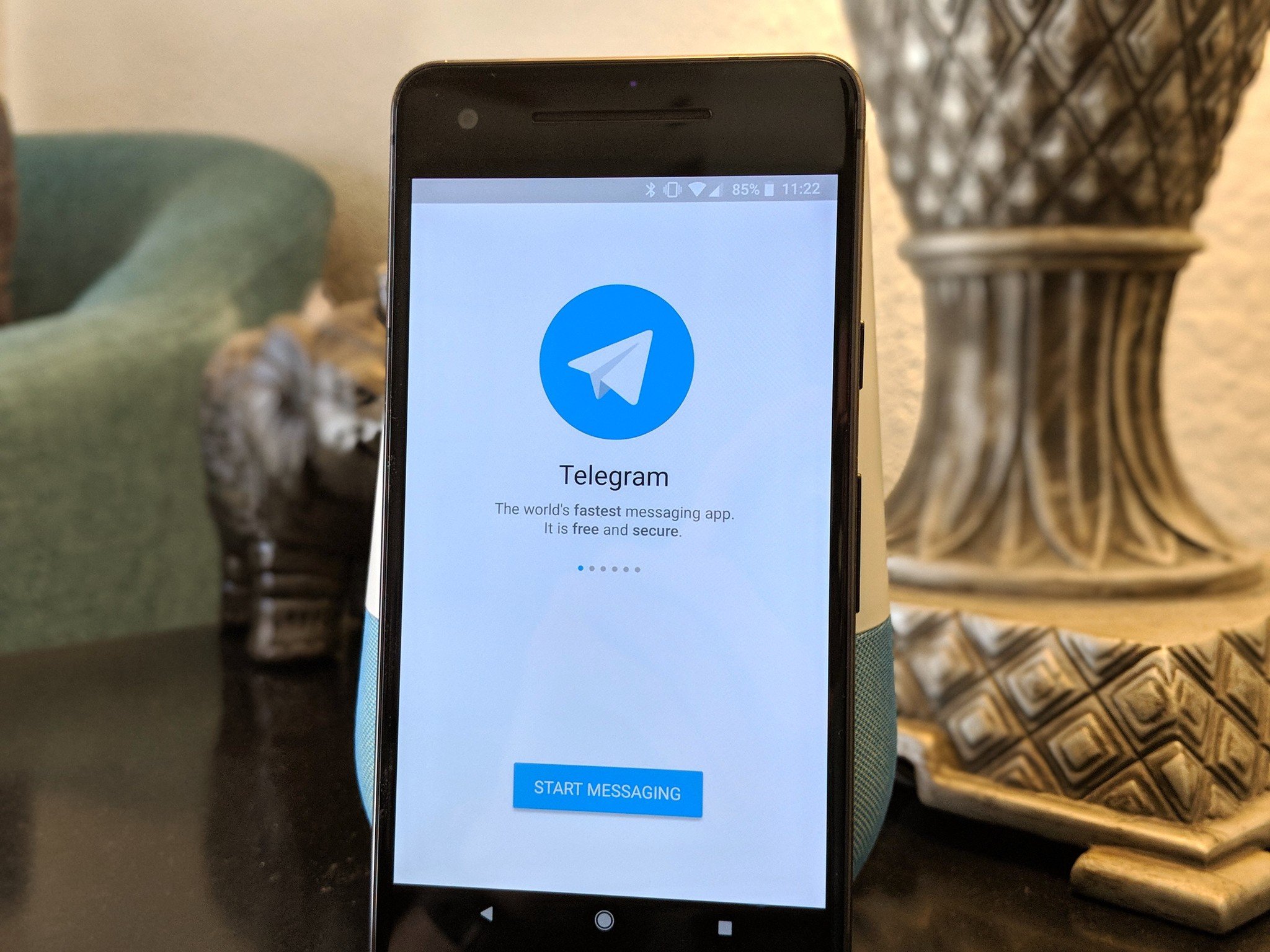
The implementation of Telegram keyword alerts represents a major development for customers looking for environment friendly monitoring and timely notifications throughout the in depth communication streams of Telegram. This performance leverages the platform's powerful messaging infrastructure to automatically detect and alert users about particular keywords, enabling enhanced management over conversations, well timed responses to relevant content material, and improved information management. Understanding how keyword alerts operate within Telegram, their sensible purposes, and their impact on user productivity and digital safety is essential for maximizing the advantages of this characteristic.
Understanding Telegram Keyword Alerts: Fundamentals and Mechanisms
Telegram keyword alerts operate by continually scanning message streams—whether in private chats, teams, or channels—for predefined phrases or phrases. Once detected, these keywords set off instant notifications, allowing customers to focus on crucial messages without the cognitive overload of monitoring each incoming textual content. This system works by integrating with Telegram's underlying API and messaging protocols, effectively filtering huge amounts of content in actual time.
Technical Architecture Behind Keyword Detection
At its core, Telegram’s messaging ecosystem is constructed on the MTProto protocol, designed for pace, security, and scalability. Keyword alerts capitalize on this infrastructure by forming queries on the shopper or bot level that parse messages earlier than they attain the standard notification queue. This pre-processing ensures keywords are prioritized precisely with out compromising the platform’s end-to-end encryption standards where applicable. User-side filtering, combined with elective cloud-based indexing for channels and public groups, permits seamless keyword recognition without violating privacy constraints established by the platform.
Customization and Precision in Alert Configuration
Users can configure keyword alerts with a excessive degree of specificity, together with case sensitivity, whole-word matching, and exclusion rules to stop false positives. Advanced customers benefit from regex assist and integration with third-party bots, which improve precision by interpreting contextual nuances—a important benefit for skilled or content-driven environments. This degree of customization empowers users to tailor alerts to individual workflows, minimizing disruptions while maximizing relevancy.
Privacy Considerations and Security Compliance
apps that always compromise encryption to allow message scanning, Telegram keyword alerts operate respecting information safety necessities by performing filtering predominantly on client devices or in isolated bot environments with express person consent. This design protects consumer privateness by restricting keyword detection scopes and avoids server-side mass knowledge processing, thereby aligning with modern security rules and authorized frameworks similar to GDPR.
The Practical Benefits of Using Telegram Keyword Alerts
Beyond the mere technical implementation, Telegram keyword alerts translate into tangible improvements for various person teams. Whether for private communication administration, skilled engagement, or neighborhood moderation, this functionality supplies measurable benefits that address frequent digital communication challenges.
Enhancing Productivity by way of Focused Attention
By automating the identification of crucial conversations or data snippets, keyword alerts cut back the time spent manually scanning chats. Professionals can instantly reply to shopper inquiries or project updates that include specified terms. This feature significantly decreases latency in communication flows, driving faster decision-making and lowering missed alternatives.
Superior Content Filtering to Combat Information Overload
Telegram channels and teams often generate immense volumes of messages, resulting in cognitive overload and potential burnout. Keyword alerts allow customers to bypass irrelevant content material and maintain engagement only with information that actually issues. This filtering sharpens psychological readability, reduces stress, and preserves attention for strategic tasks.
Strengthening Community Management and Moderation
Community managers and administrators utilize keyword alerts to establish policy violations, spam, or pressing issues without guide oversight. Automated notifications about flagged keywords facilitate timely interventions, sustaining community requirements and fostering a safer environment. This proactive strategy enhances group well being and user satisfaction.
Implementing and Optimizing Keyword Alert Systems on Telegram
Transitioning from conceptual understanding to sensible deployment requires a methodical approach to configuring keyword alerts that align with user goals and communication contexts. This section explores finest practices and optimization techniques crucial for efficient utilization.
Selecting Relevant Keywords and Phrases
Identifying the right set of keywords is key to avoid noise and guarantee alert accuracy. This involves analyzing common expressions, jargon, and contextual indicators pertinent to the user’s domain. Incorporating synonyms and variant spellings will increase coverage, whereas exclusion filters forestall triggering on ambiguous or innocent mentions, thereby sustaining signal-to-noise ratio.

Leveraging Telegram Bots for Advanced Alerting
Telegram’s open bot API permits integration with subtle alert methods capable of performing contextual evaluation, sentiment detection, and cross-chat aggregation. Users can deploy or subscribe to third-party bots that extend keyword alert capabilities past native shopper features. This flexibility supports automation workflows and enriched knowledge analytics, instrumental for enterprise use instances.
Managing Alert Fatigue and Notification Balance
While keyword alerts clear up the issue of missed critical messages, extreme notifications can lead to alert fatigue, diminishing their overall value. Smart methods corresponding to batching alerts, setting quiet hours, and prioritizing alerts based mostly on keyword criticality assist steadiness responsiveness and well-being. Users profit from a configurable hierarchy of alert significance, making certain that only probably the most urgent communications command immediate consideration.
Overcoming Limitations and Future Prospects of Telegram Keyword Alerts
Despite their utility, Telegram keyword alerts additionally face inherent limitations rooted in each expertise and person behavior. Recognizing these constraints and anticipating advancements presents a roadmap for enhanced digital communication practices.
Scope Restrictions and Privacy Trade-offs
Due to encryption and privacy insurance policies, keyword alerts cannot all the time entry messages in certain protected chats or non-public groups without explicit permissions. This restriction may limit efficacy in highly safe environments, requiring users to find various monitoring techniques or leverage permissioned bot frameworks. Balancing privateness ensures with functionality remains a dynamic challenge in messaging app growth.
Challenges in Contextual and Semantic Understanding
Current keyword alert methods primarily rely on string matching and rudimentary sample recognition. They battle to interpret context, sarcasm, or evolving language trends, which may produce false positives or miss refined critical messages. Integrating natural language processing (NLP) and machine studying into Telegram’s ecosystem may elevate alert sophistication, delivering contextualized insights and adaptive notification models.
Future Enhancements and Integration Opportunities
Looking ahead, the growth of cross-platform interoperability and API enhancements recommend that keyword alerts will turn into more clever and embedded inside complete productivity ecosystems. Integration with task managers, telegram keyword alerts calendar apps, and voice assistants might enable proactive scheduling and action automation triggered by detected keywords, reshaping digital communication workflows at scale.
Maximizing the Impact of Telegram Keyword Alerts: Summary and Action Plan
In abstract, Telegram keyword alerts represent a strong tool for customers who demand focused, timely communication and enhanced control over data streams. Their foundation inside Telegram’s safe messaging protocols, mixed with customizable configurations, offers substantial advantages in terms of productiveness, neighborhood administration, and data overload mitigation. Users should concentrate on selecting precise keywords, using bot integrations where applicable, and managing notification settings to prevent alert fatigue. Awareness of current limitations promotes sensible expectations and encourages exploration of emerging applied sciences.
To absolutely leverage Telegram keyword alerts, begin by auditing your communication channels to establish important terms and contexts. Experiment with native alert features and enhance performance via trusted bot options. Establish rules for alert prioritization and think about integrating alerts into your broader digital workflow instruments. Continuous monitoring and adjustment will make certain the alert system evolves together with your altering wants, securing higher responsiveness, privateness, and general digital communication effectivity.
Details
| Phone | 7857442925 |
| Email Address | paulobenjamin-viana36@festivaldomingosmartins.com.br |
| Gender | Male |
| Salary | 10 - 77 |
| Address | La12 6nn |
List your Job requirements and Search thousands of job all in one place